
WHITE PAPER: EV Charging Incentives for Chicago-Area Condos and HOAs
Most Chicago-area condo and HOA communities with assigned parking will find no direct EV charging incentive in 2026. Five community scenarios and one table show which buildings qualify, and a map link settles the question for your address in under a minute.
90-Unit Condo EV Charging Case Study
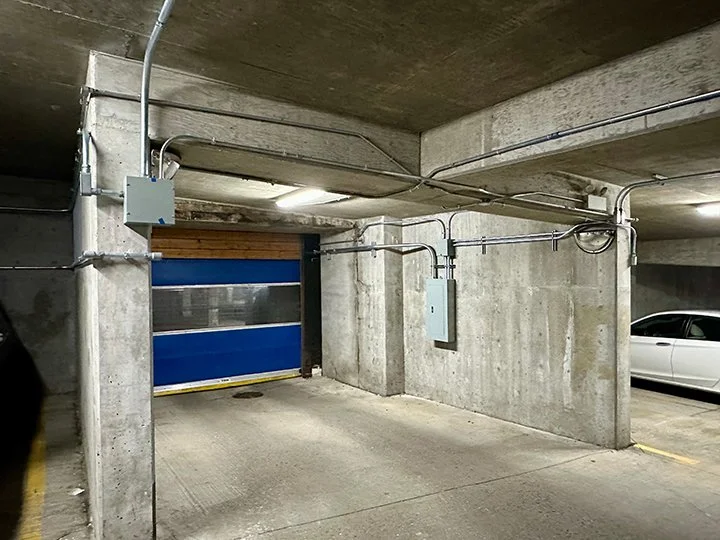
This case study outlines how a Chicago condominium moved from a single EV charger request to building-wide make-ready infrastructure in 14 months. It highlights the technical, legal, and governance steps required to deliver a scalable EV charging solution without utility upgrades or special assessments.
From Request to Reality: 18 Months to EV Charging in a Chicago Condo Garage
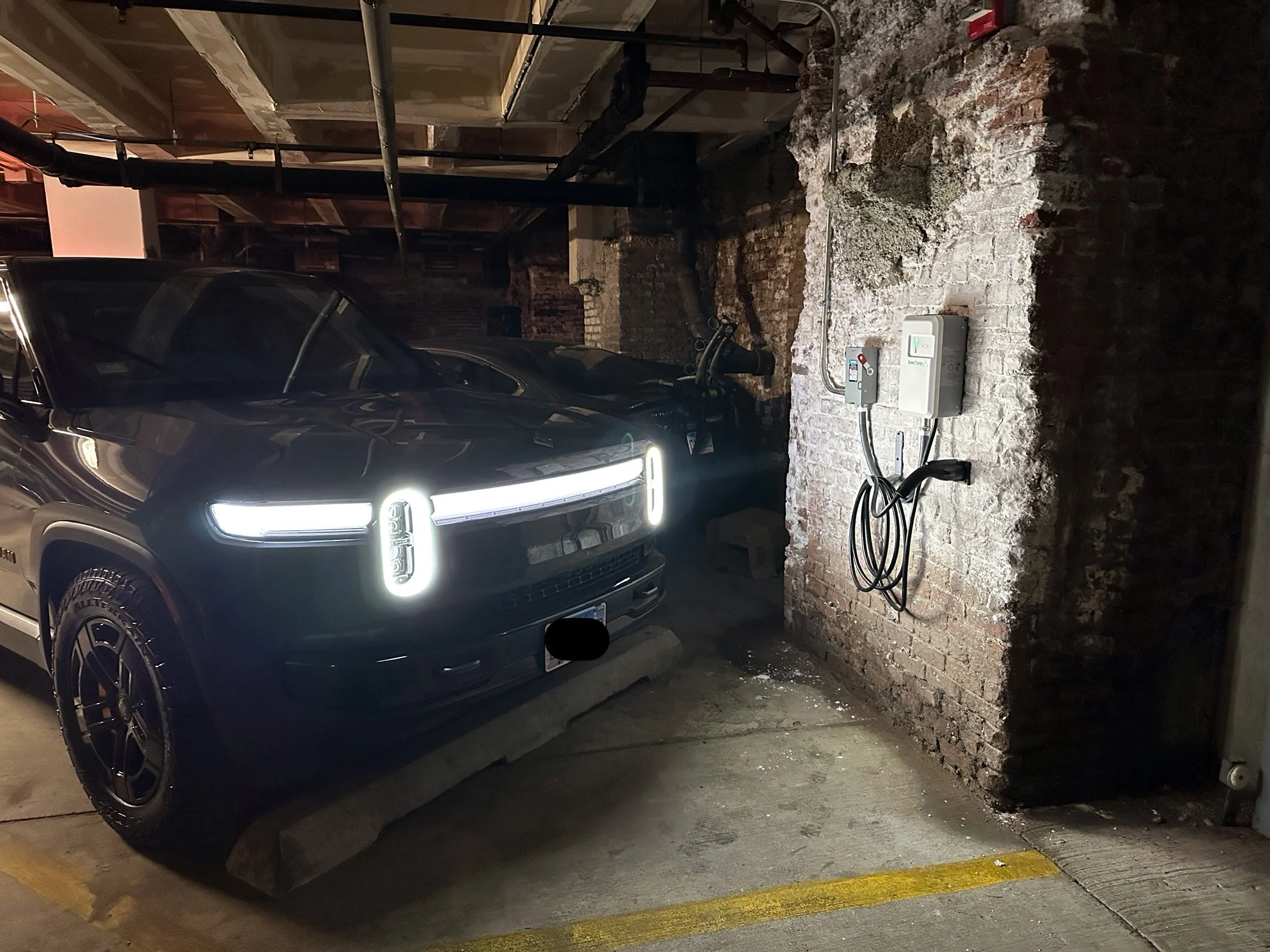
After 18 months, one EV charger request became a 92-space solution. See how a Chicago condo implemented building-wide make-ready infrastructure—and how the EverCharge EV02 operates in practice.
WHITE PAPER: ICE Vehicles Show 6 Times Higher Fire Incidence Than EVs in Propulsion-Separated Data
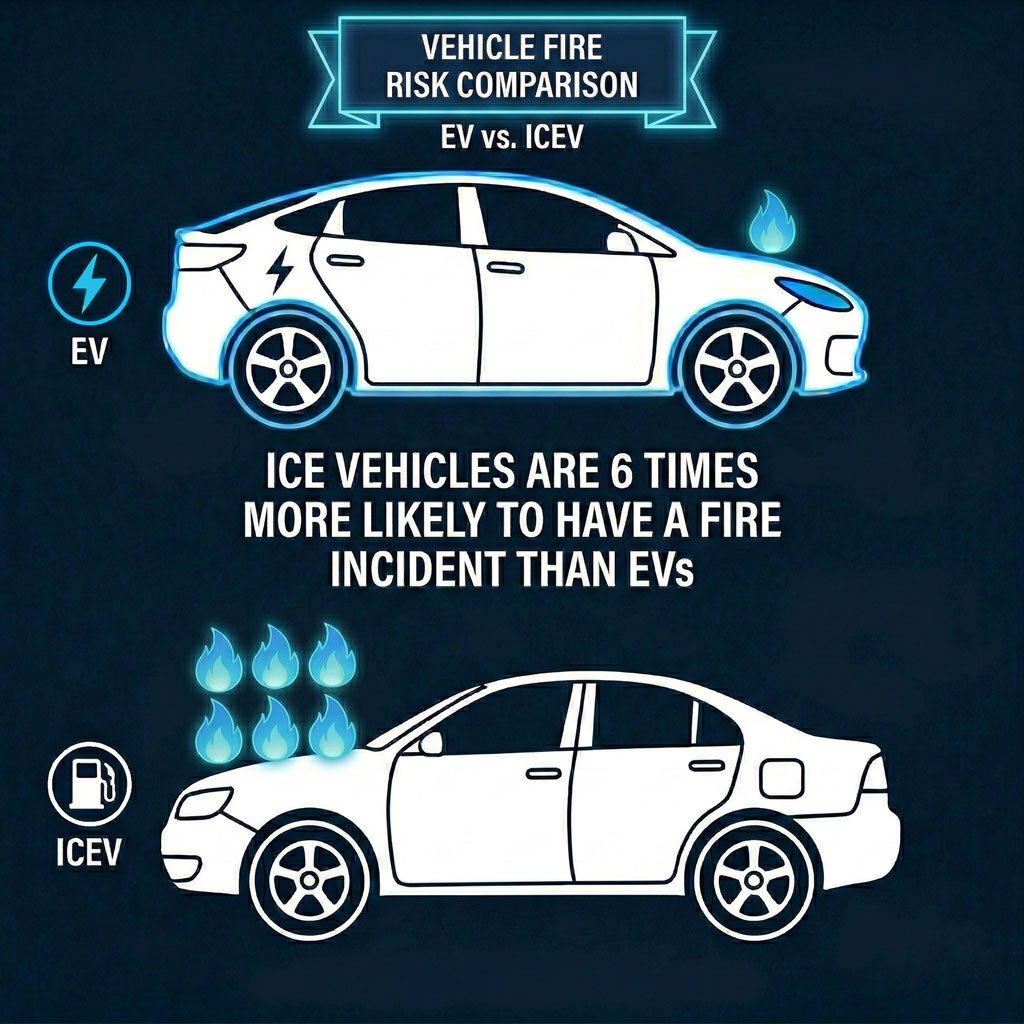
Internal combustion vehicles are statistically about six times more likely to catch fire than electric vehicles. This white paper examines the data, explains the engineering differences, and outlines a practical 48-hour post-accident quarantine policy that responsibly manages the rare outlier risk in multi-family garages.

WHITE PAPER: The 10X Return on EV Make-Ready Infrastructure in Central Chicago Condos
What if a $1,000 infrastructure investment could add $7,000 to $12,000 in resale value to your Chicago condo?
In our latest white paper, we analyze central Chicago condominium data and demonstrate how EV make-ready infrastructure can generate a 7x to 15x return on investment. With most older buildings lacking charging capacity and buyer demand rising, EV readiness is quickly becoming a measurable value differentiator. If your building has deeded garage parking, the financial case may be stronger than you think. Read the full analysis to see the numbers.

WHITE PAPER: Illinois EV Charging Law and HOA Legal Obligations in Chicago
Illinois’ new EV Charging Act gives condo owners and tenants the right to install chargers. Are HOAs prepared? This guide explains what boards must do, what owners can expect, and how Chicago associations can plan for equitable and future-ready EV infrastructure.
WHITE PAPER: How HOA Boards Can Use the Initial EV Infrastructure Assessment Checklist
Are we actually ready for EV charging, or just talking about it?
This quick-read checklist helps HOA boards identify what they already know about their building and what gaps could delay or increase the cost of EV infrastructure. The more boxes you can check today, the faster and more confidently your association can move from questions to a workable EV charging strategy.
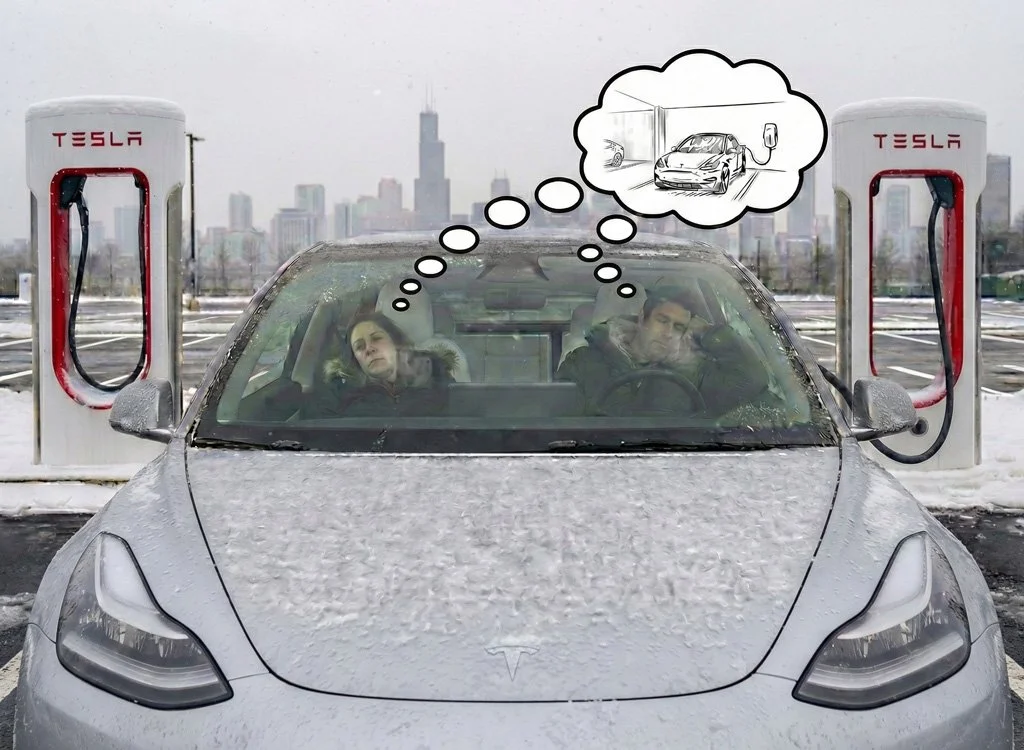
WHITE PAPER: Tired of Public EV Charging?
Tired of spending extra time and money charging your EV at public stations? This short guide shows Chicago condo residents how to work with their HOA to explore in-building EV charging, starting with a practical feasibility review that can unlock home charging while strengthening long-term property value.
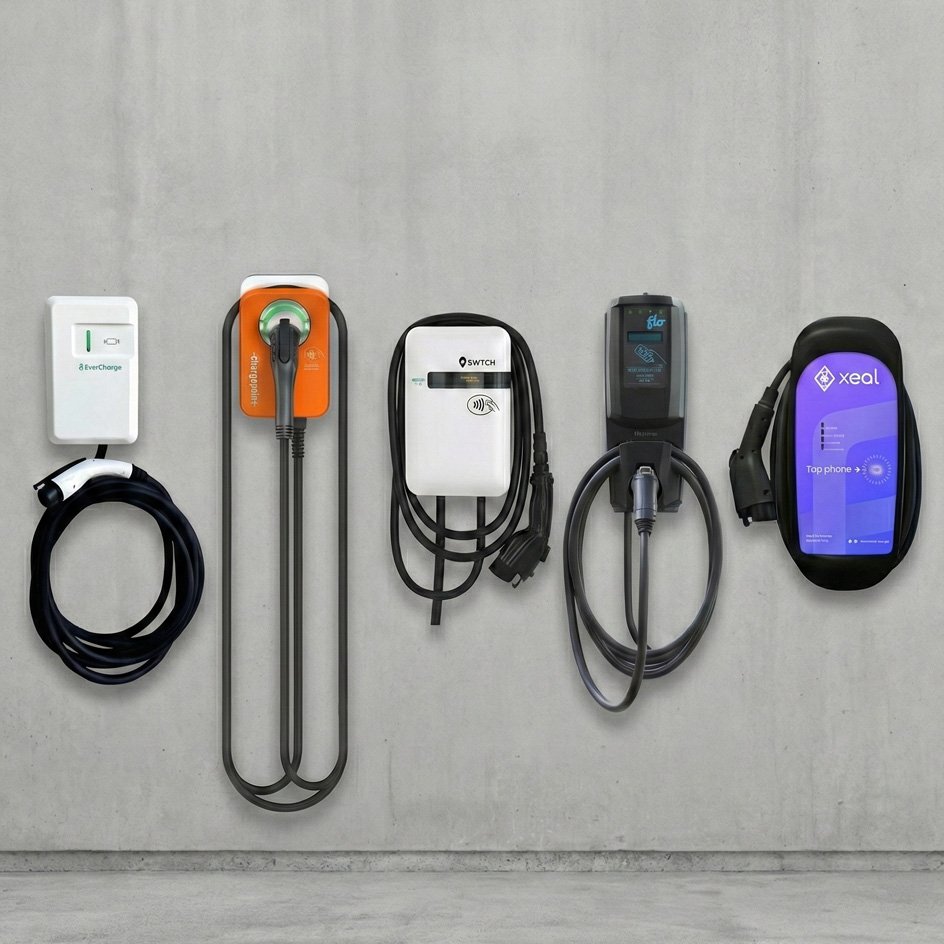
WHITE PAPER: Scalable Level 2 EV Charging for Chicago Multi-Family Buildings
Chicago HOAs can now support EV charging in open parking without costly upgrades or added administrative burden. Our latest white paper shows how load-managed systems, automated billing, and interoperable platforms make scalable Level 2 charging a viable, low-maintenance amenity for multi-family buildings. Read the full report to see how it works in practice.
WHITE PAPER: Cost Analysis for EV Make-Ready Infrastructure
This white paper explains how Chicago condominium associations can implement EV make-ready electrical infrastructure in large parking garages at a predictable cost of approximately $800 to $1,000 per space. It defines make-ready infrastructure using shared charging zones, shows how association-funded upgrades create equitable future charger installation costs for all residents, and breaks down engineering, construction, and permitting expenses under real Chicago retrofit conditions. The paper also explains how electrical capacity and load-managed Level 2 charging influence cost and scalability, helping boards understand why early planning avoids higher future retrofits and uneven owner costs.
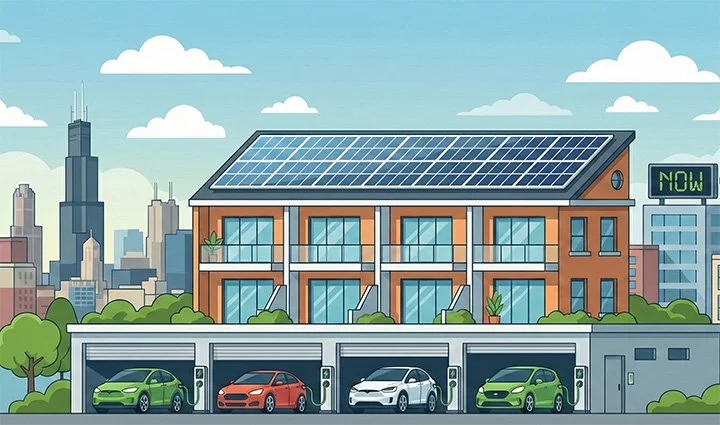
WHITE PAPER: Why Now Is the Right Time for Chicago Condominium HOAs to Prepare for EV Charging
Electric vehicle adoption is accelerating as vehicle costs decline and policy expectations evolve. Illinois law now requires condominium associations to allow resident-installed EV chargers, while states such as California and New York have begun imposing EV-related requirements on existing parking facilities. As demand for residential charging grows, proactive electrical infrastructure planning allows HOAs to manage capacity, reduce risk, and preserve property value.
Learn Section Launch Announcement
Electric vehicles are no longer a future consideration for urban condominiums; they are a current infrastructure planning issue. The Learn section of Ready EV Now provides technically grounded guidance for boards, property managers, and owners evaluating EV charging in existing multi-family buildings, with a focus on electrical capacity, make-ready infrastructure, regulatory context, and real-world case studies. The name Ready EV Now is inspired by Ready Player One, directed by Steven Spielberg, and reflects a simple premise: buildings that plan early retain control over costs, capacity, and governance, while delayed action limits options.